Join Us
Sign up to stay informed of the latest news from Cristianime i Justícia.
In this booklet we will hear the voices of six people who generously offer us their testimony of faith, a faith that has grown strong during lives marked by suffering and resistance, exclusion and encounter, earnest arguments with God and the discovery of God’s infinite love. This booklet is in some ways a continuation of Recognition of LGBTIQ+ Persons in the Church (Booklet CJ #185). It seeks to follow up on what James Martin SJ noted there: “Pastoral outreach to LGBTIQ+ Catholics is not simply a fad or a passing trend, or even something responding to cultural ‘pressures’; rather, it is a constitutive work of the Church and a mission that finds its ultimate roots in the Gospels.”
In 2017, shortly after the #MeToo Movement began denouncing violence against women in the secular world, the feminist movement became a prophetic voice also within the Church. Several ecclesiastical initiatives have been responding to the wound and the suffering produced by structural discrimination against women. By March 2020 there were already public demonstrations in the streets in support of the dignity and equality of women in the Church. Without pastoral intelligence, it is impossible to grasp the regenerative potential of women in the Church.
Because most young Africans who migrate to Europe cannot obtain visas, their travels frequently take place outside of legal channels, with high economic costs, and at great personal risk. The long routes of transit are strewn with migrating victims who have lost their lives in the attempt. Many of those who manage to reach Europe are women, some of them mothers. Not a few of them arrive on the coasts of the Canary Islands with small children who were born in their country of origin or who were conceived during the trip. They constitute a population that is not well known, but they have special characteristics and specific needs. This paper is dedicated to them.
Why has it been so difficult for the Catholic church to reach out to LGBTQ people? Why does the church lag so far behind secular organizations, and even other churches, who have made this community feel more welcome? And why is the church so slow to try to help and protect a group of people who are often at risk of harassment, beatings and violence? Why is it so hard for Catholics to see LGBTQ people as beloved children of God? … Pastoral outreach to LGBTQ Catholics is not simply a fad, or a passing trend, or even something responding to “pressures” from the culture, but a constitutive work of the church and a mission that finds its ultimate roots the Gospels. (From the foreword by James Martin sj.)
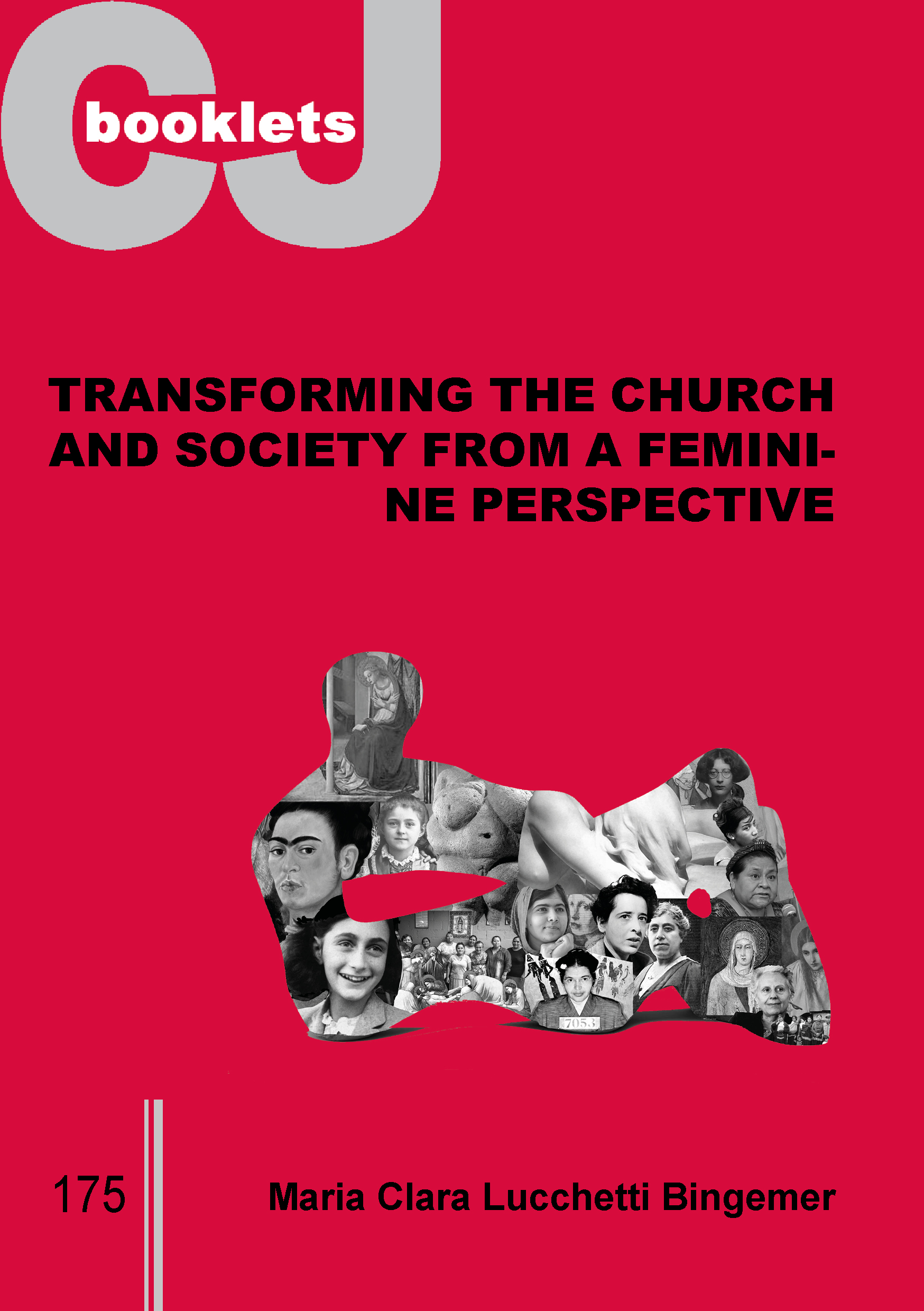
The issue of women and the notion of the feminine has again come to the fore, both in the secular world as well as in the ecclesial sphere. Could this be why women are taking on leading roles in a turbulent, violent and changing world? Could this be why Pope Francis has brought up the issue time and time again? Whatever the reason, at this point in time, when the world as a whole finds itself immersed in violence, and facing so many economic, political and social problems, there is a widespread sense that women can play an important role in the process of change. The author of this booklet participated in the inauguration of this course in Cristianisme i Justícia 2017-2018. In this booklet, we have compiled some of the contents of the opening presentation of that course.
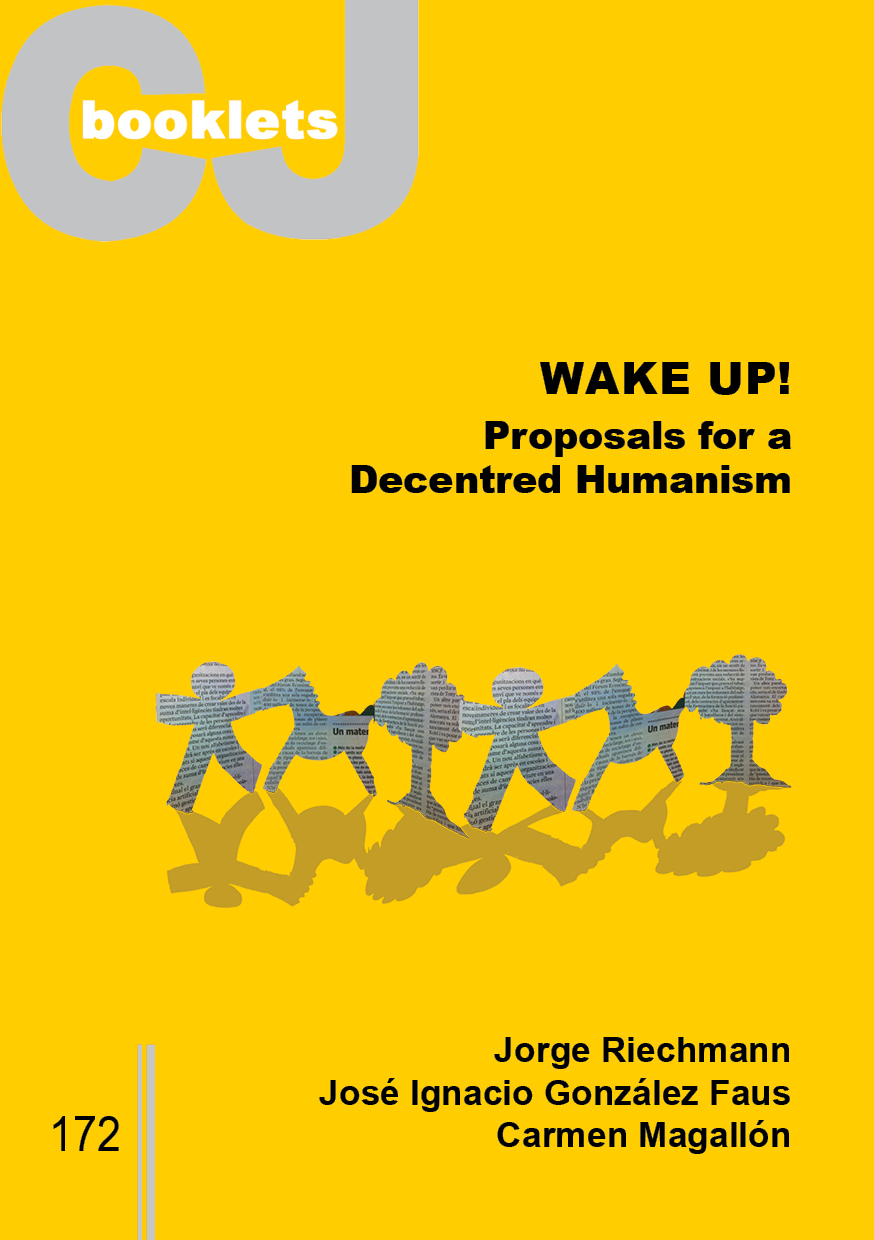
Jorge Riechmann calls the 21st century the “Century of the Great Test,” for he sees it as the century in which the future of the planet and the survival of the human race are at stake. Viewing this challenge from the perspectives of philosophy, theology, and eco-feminism, the authors ask about the possibility of changing the current course of our civilization, so that we begin to pursue other goals and promote other values, such as welcoming the stranger, caring for what is fragile, making peace with nature, and accepting ourselves as the vulnerable and mortal beings that we are.
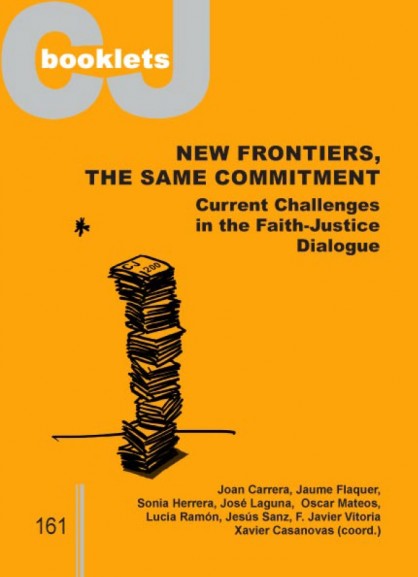
In the thirty-fifth year of its existence, Cristianisme i Justícia now issues its 200th booklet. We have always sought to kindle hope and feed a widely-shared desire for a world that is more just and more fraternal. In keeping with that desire and alert to the world around us, the present publication aims to provide a clear account of the teamwork in which our Centre is engaged, and a reliable guide to the challenges on which Cristianisme i Justícia reflects now and in the future. We also invite to join us all those engaged in dialogue between faith and the struggle for a juster world.
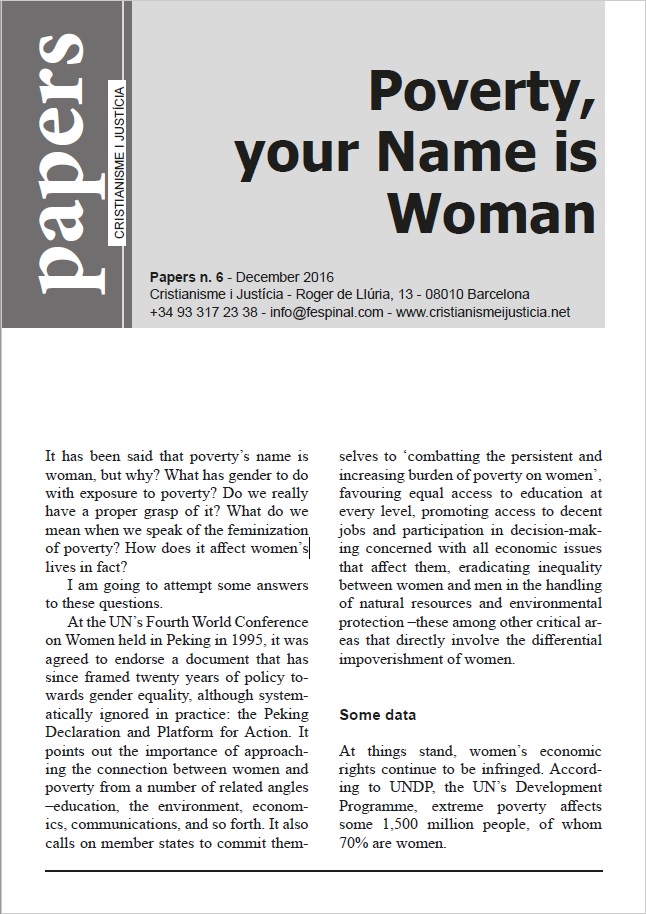
The feminization of poverty has been long invisible, since analyses of poverty and social exclusion have not taken gender into account. The difficulty of access to education, to land and to credit together with greater in security and vulnerability in the labour market have contributed to female impoverishment, with the result that 'poverty has a woman's face'. This state of affairs needs to become more visible with gender understood as a risk factor when it comes to undergoing poverty.
Morning, 9h to 14h
(from monday to friday)
Afternoon, 16h to 19h
(tuesday and thursday)