Join Us
Sign up to stay informed of the latest news from Cristianime i Justícia.
“In an international context, growing ever more dramatic, the war in Ukraine runs the risk of becoming a ‘forgotten’ war. Nevertheless, it is our duty not to allow it to fall into silence, not simply to maintain alive horror in dealing with such a tragic event, but rather, above all, to involve all of those responsible and the international community in the search for peaceful solutions.”
Pope Francis, January 3, 2024
Because most young Africans who migrate to Europe cannot obtain visas, their travels frequently take place outside of legal channels, with high economic costs, and at great personal risk. The long routes of transit are strewn with migrating victims who have lost their lives in the attempt. Many of those who manage to reach Europe are women, some of them mothers. Not a few of them arrive on the coasts of the Canary Islands with small children who were born in their country of origin or who were conceived during the trip. They constitute a population that is not well known, but they have special characteristics and specific needs. This paper is dedicated to them.
June 24, 2022, will go down in history as a day of infamy. In the morning of that day dozens of persons were killed, and more than a hundred were injured as they tried to cross the border fences separating Nador (Morocco) and Melilla (Spain). The images of their lifeless bodies, piled up as if they were animals, have been burned into our retinas. The videos recording the brutality and indifference of the Moroccan police stirred our indignation. Now, a few months after the event, we offer this reflection in order to recall that barbarity and to delve into its meaning. It was an event experienced with pain, borne without grief, carried out with malice, and financed with government money.
There are things that are not within our reach, especially now, but it is within our reach to listen and to be attentive to the reality that confronts us. This reality requires us to place ourselves among the people, to draw close to those who suffer, and to do so with urgency. It requires us to help those who have been forced to leave their homes without knowing if they will ever be able to return. But not only this: we have to go further, as the Good Samaritan did who, after caring for the wounded man he found by the roadside, continued to look after him (Lk 10, 25-37). We also must find a way to offer hospitality ... permanently.
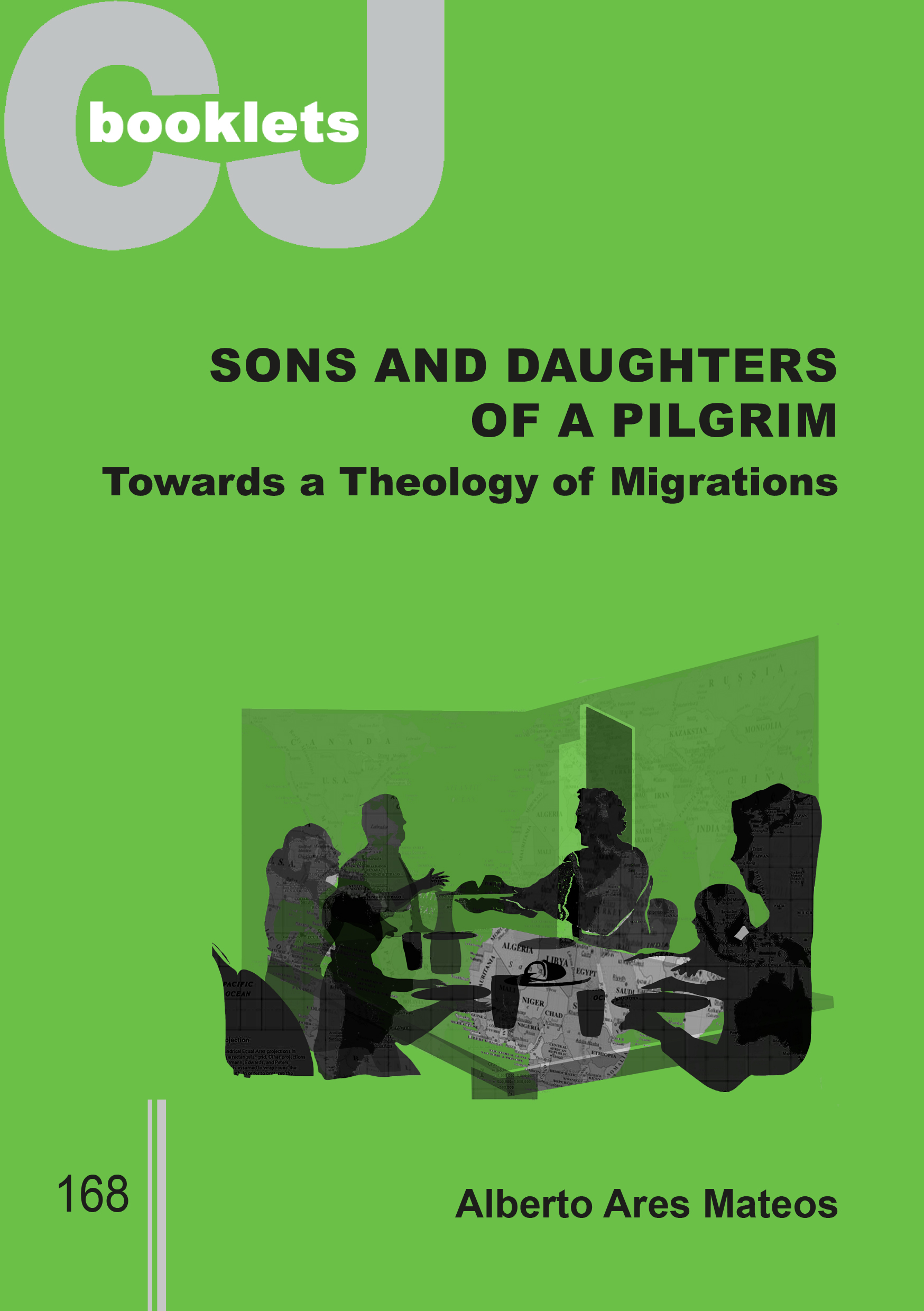
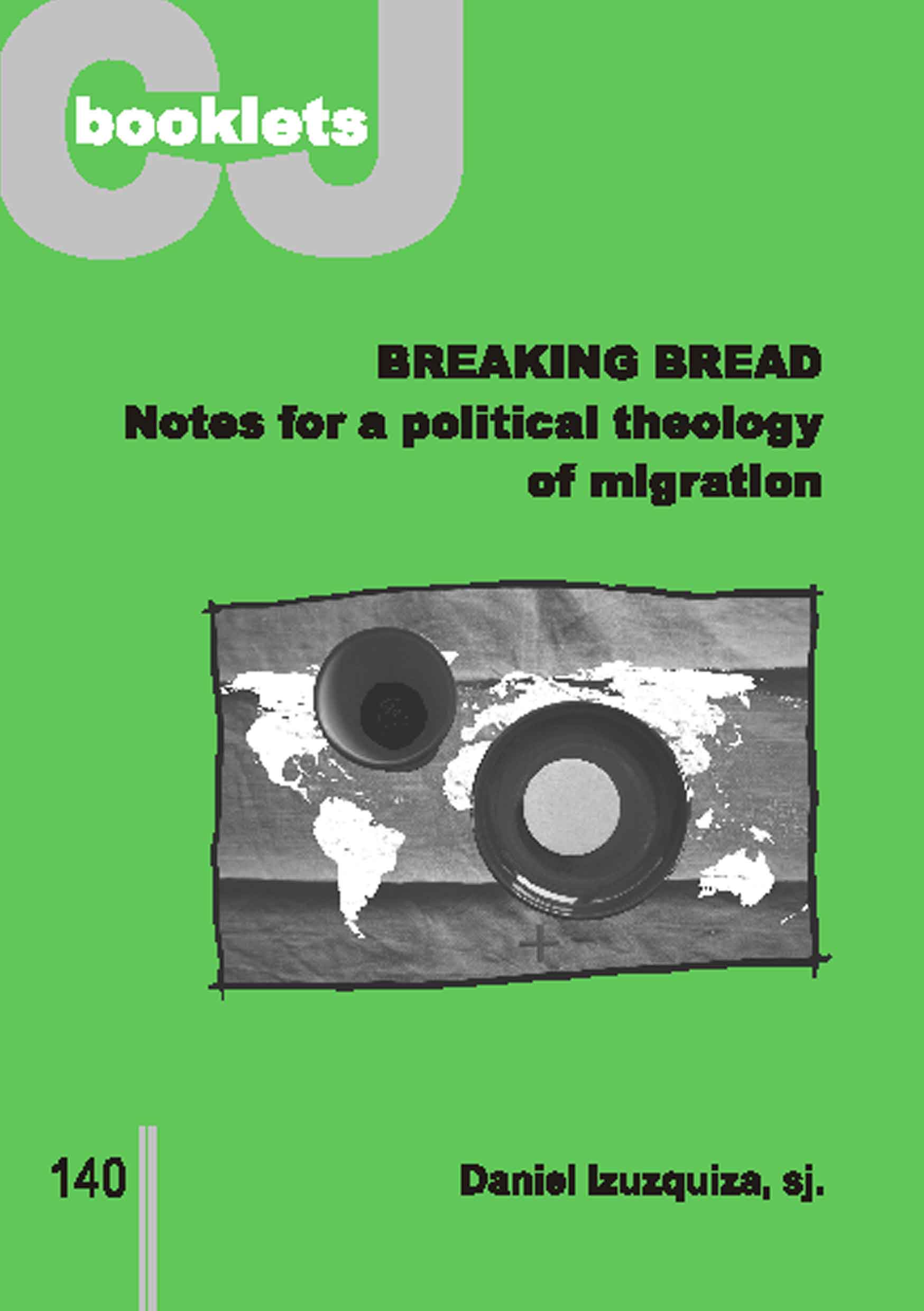
Given that the worldwide movement of migrants and refugees is a “sign of the times,” the situations that give rise to this reality cannot remain on the margins of theological reflection. Responding to this need is the theology of migrations, a new discipline grounded in biblical tradition and the magisterium. The author of the present booklet examines this pressing concern in depth, highlighting the five most important issues for our day and age: identity, dignity, justice, hospitality, and integration.
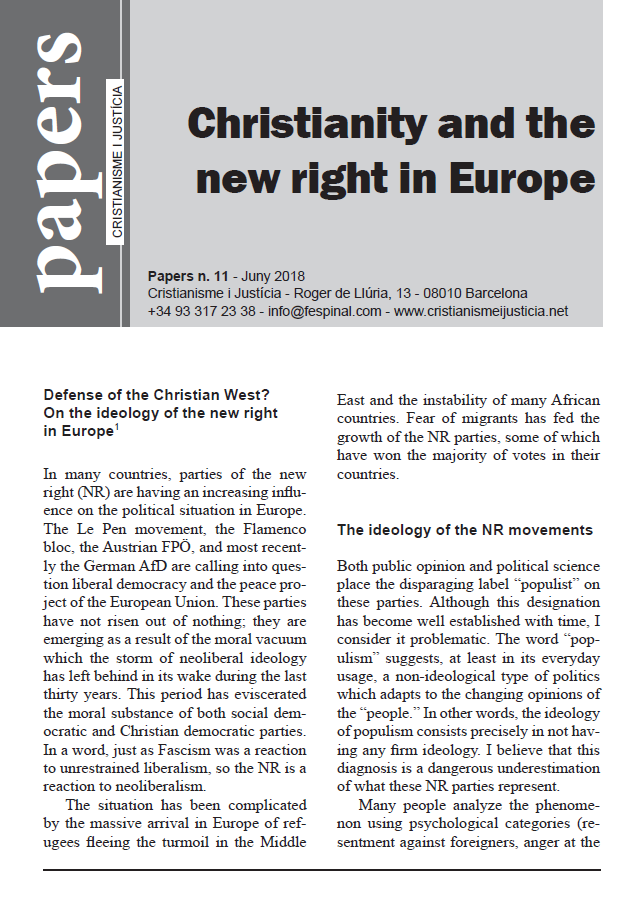
The policies of the so-called New Right and its questioning of the most basic human rights, especially as regards migrants and refugees, undermine the deepest foundations of the Old Europe. The present text seeks to investigate the causes and conditions that lie behind this specter that is haunting the continent, and it warns of the attempts by movements of the extreme right to use Christianity and religious confrontation in order to justify their ideology.
Immigration is one of the main challenges faced by western societies. Spain faces the issue of creating a new society in which immigrants can be made to feel as though they belong. Jaume Flaquer's intention in this study, is to open up a new perspective on the subject, where the immigrant is not seen as a danger, or as an economic opportunity, but rather as an example of a 'free' or 'liberated' person, whose life can be understood as a search or journey of hope towards an uncertain future.
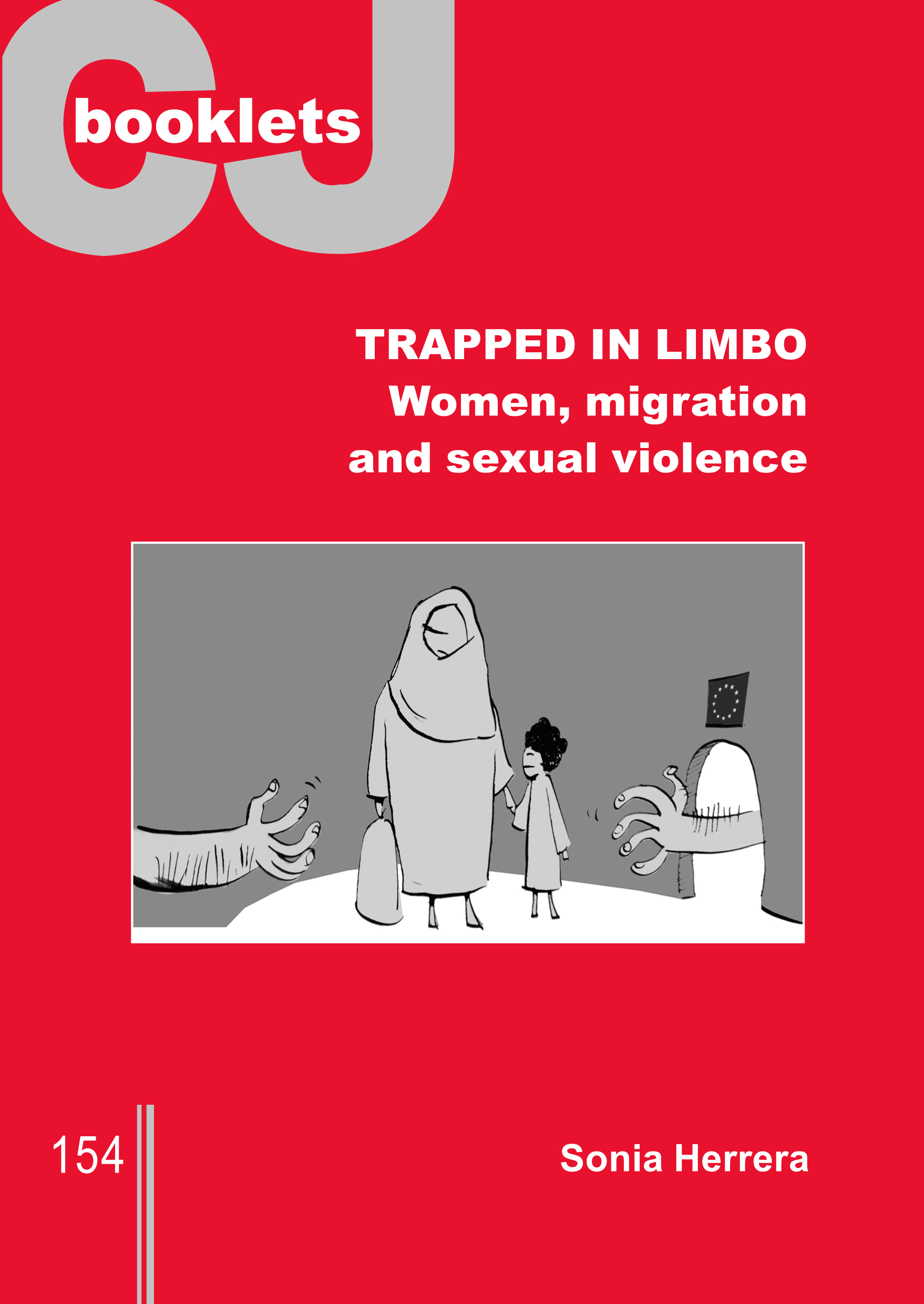
As examples of vulnerable situations for women go, there is surely none more precarious than that of the journey of migrant women attempting to cross borders. The author of this booklet examines in depth the sexual violence that these women suffer on their migratory path. Nevertheless, the author makes it clear that this phenomenon is part of a wider problem relating to gender roles and inequalities, and the resulting power dynamics.
Morning, 9h to 14h
(from monday to friday)
Afternoon, 16h to 19h
(tuesday and thursday)