Join Us
Sign up to stay informed of the latest news from Cristianime i Justícia.
“Christianity should give a reason for its hope to anybody who asks for it, no matter the historical circumstances or the state of the soul with whomever it faces the future culturally. But in no case can its characteristics, favorable or not to intrahistorical hope, condition the content of the theological virtue of hope, given that it depends exclusively on the Promise of God.” It is about this Christian hope and its reasons that F. J. Vitoria speaks to us in this delicious essay, an essay that can give us a little bit of light in times of uncertainty and darkness.
“Three vectors forming an intimate unity: studies and natural intermediate steps for the apostolate; human relationships and friends as a form of the apostolate; spirituality and the apostolate. All of this is the legacy left to us by Ignatius, the pilgrim, during his stay of two years in Barcelona, a stay that had been prepared by a shorter one that lasted only three weeks. For that reason, it seems that this legacy is a call to be thankful to God for how he molded the Ignatian charism in this city, and a testimony for us who are called to live it in a society that is very different 500 years afterwards. The work that we are presenting is a modest aid to assimilating the Ignatian legacy: to become more aware of the significance for Iñigo the pilgrim of his stay in the city and so to extend it into our lives.” (From the Prologue by Josep Mª. Rambla, SJ)
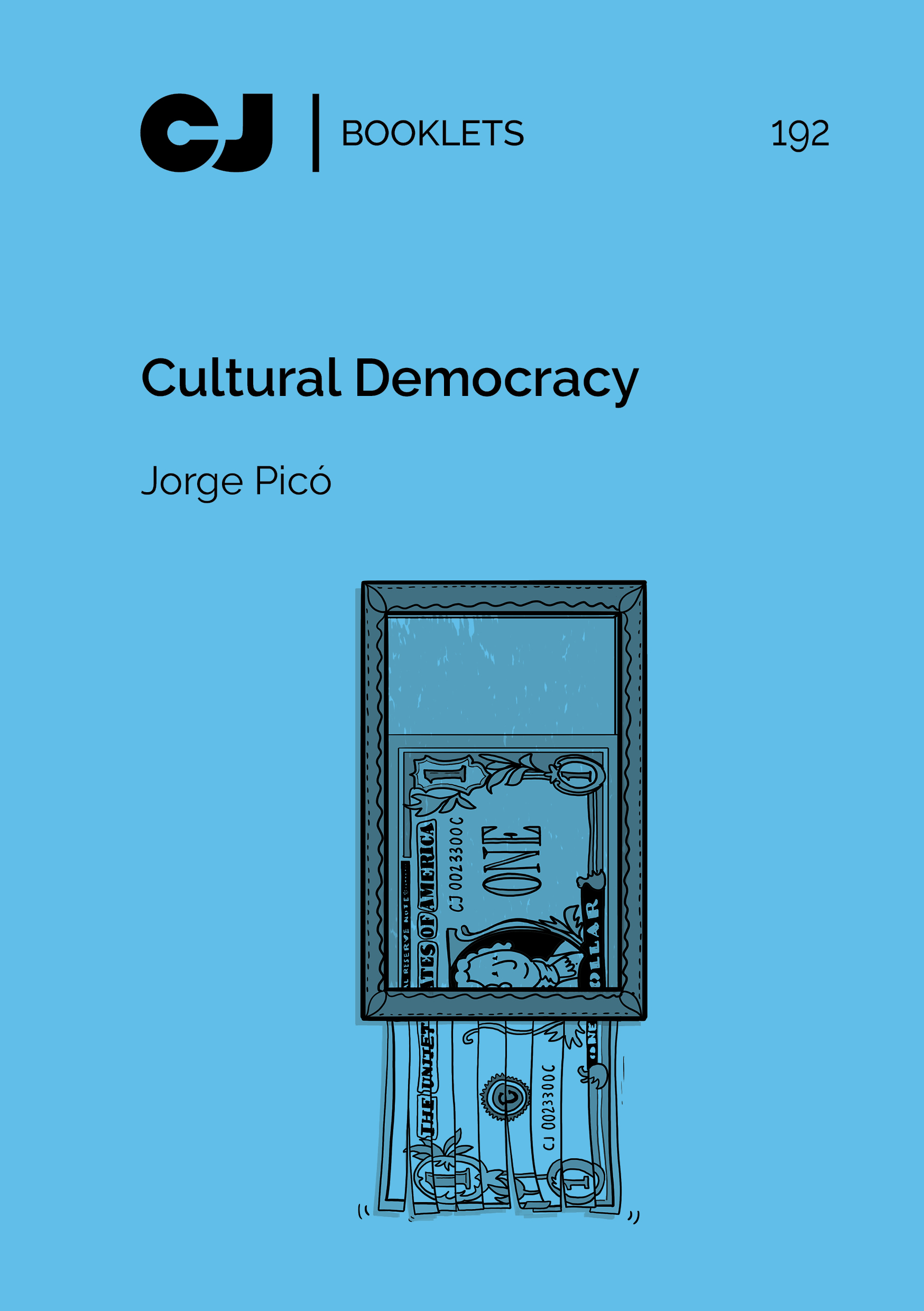
The title of this Booklet joins two words, democracy and culture, that mutually support each other like exhausted travelers in the middle of their journey. The tiredness of the word democracy is due to the fact that it designates a tarnished reality, eroded at its foundations by economic globalization, the power of the great industries, techno-politics and populism. The word culture has arrived at the same state because it has lost critical and Utopian stamina in going from being a noble ideal and an antidote against power to being a vassal. In spite of that, the author defends the fact that beauty and art cannot be measured by their utility or their lack thereof and that there is an emotional movement when dealing with beauty that can be lived as the herald of a better world.
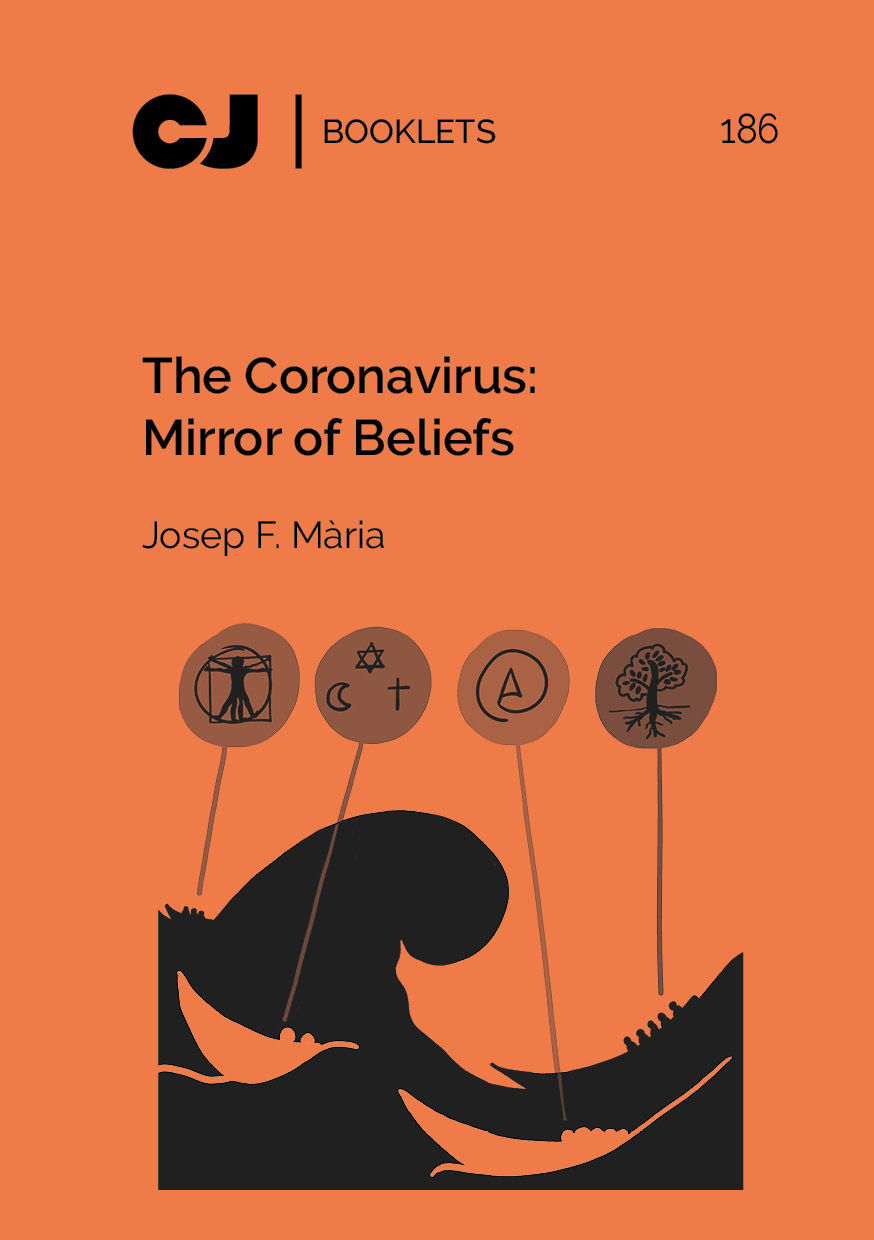
Beliefs become visible —expressing themselves in ideas or actions— when individuals or communities are subjected to events that disrupt their lives. The thesis of this booklet is that the coronavirus has disrupted contemporary Western beliefs and has become a mirror in which these beliefs are reflected. Belief in nature, belief in humanity, belief in God, and simple unbelief have been the diverse reactions that this pandemic has brought to light.
In Europe we are witnessing a genuine collapse of the Christian faith. In relatively few decades, a European society with deep Christian cultural roots has become a society in which Christianity is culturally irrelevant. In this booklet the author analyzes this crisis and then explores the conditions that would make a new Christian initiation possible. Such a re-initiation will have to take place from below, from the poor, from the passion of the people, from the great masses of humankind.
In this essay the author proposes ten reasons for involving the world’s religions in the environmental debate. The ten reasons offer important keys for understanding the religious declarations of recent years as valid strategies for personal, institutional, and social transformation. The author seeks to open up the prophetic, ascetical, penitential, apocalyptic, sacramental, soteriological, mystical, wisdom, communitarian, and eschatological dimensions that pervade the spiritual experience of humankind. The articulation of these ten elements allows us to elaborate an environmental proposal of an interreligious nature.
This booklet compares the texts contained the book The Teaching of Buddha with the social justice texts of the prophets (culminating in Jesus as one who is “more than prophet”). Despite the differences between the two sets of texts, the author defends the need to understand that they are complementary languages and that neither of them can be maintained or can reach fulfillment without the other. Every outcry of protest that does not flow forth from the interior richness of an authentic “silence” will be “political” but not prophetic. Every silence that does not result in an anguished outcry and a prophetic denunciation will be an empty silence.
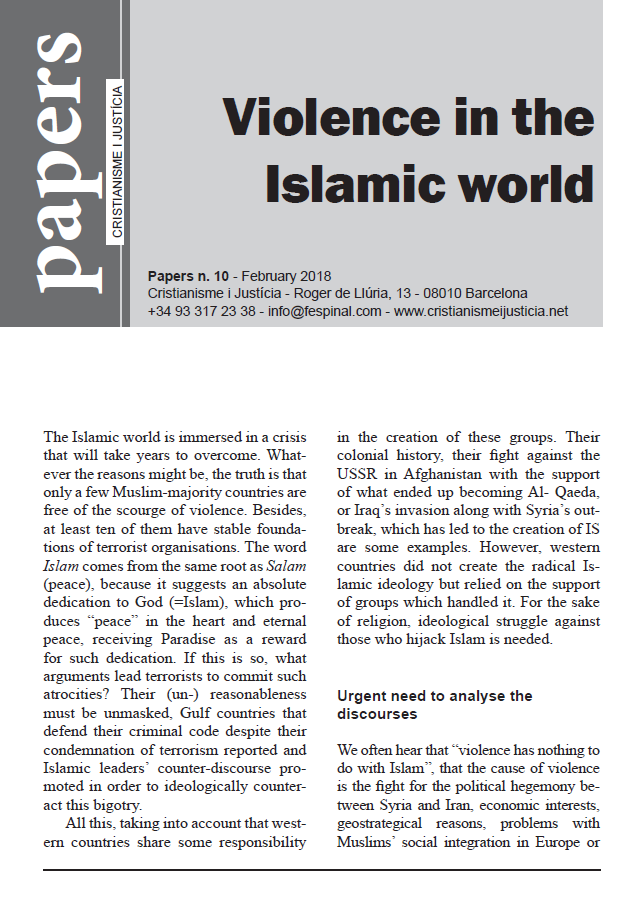
Islam is the religion that is expected to grow faster in the next forty years even though it is immerse in a profound crisis, which has violence as one of its most notable and worrying problems. In this context we wonder if violence can be considered as part of Islam; to what extent the justification for the use of violence that fundamentalist groups claim can find support in the Koran or if it is possible to reinterpret religious texts and history in a way that allows a peaceful Islam in the twenty-first century. At least as peaceful and positive as most of Muslims’ lives.
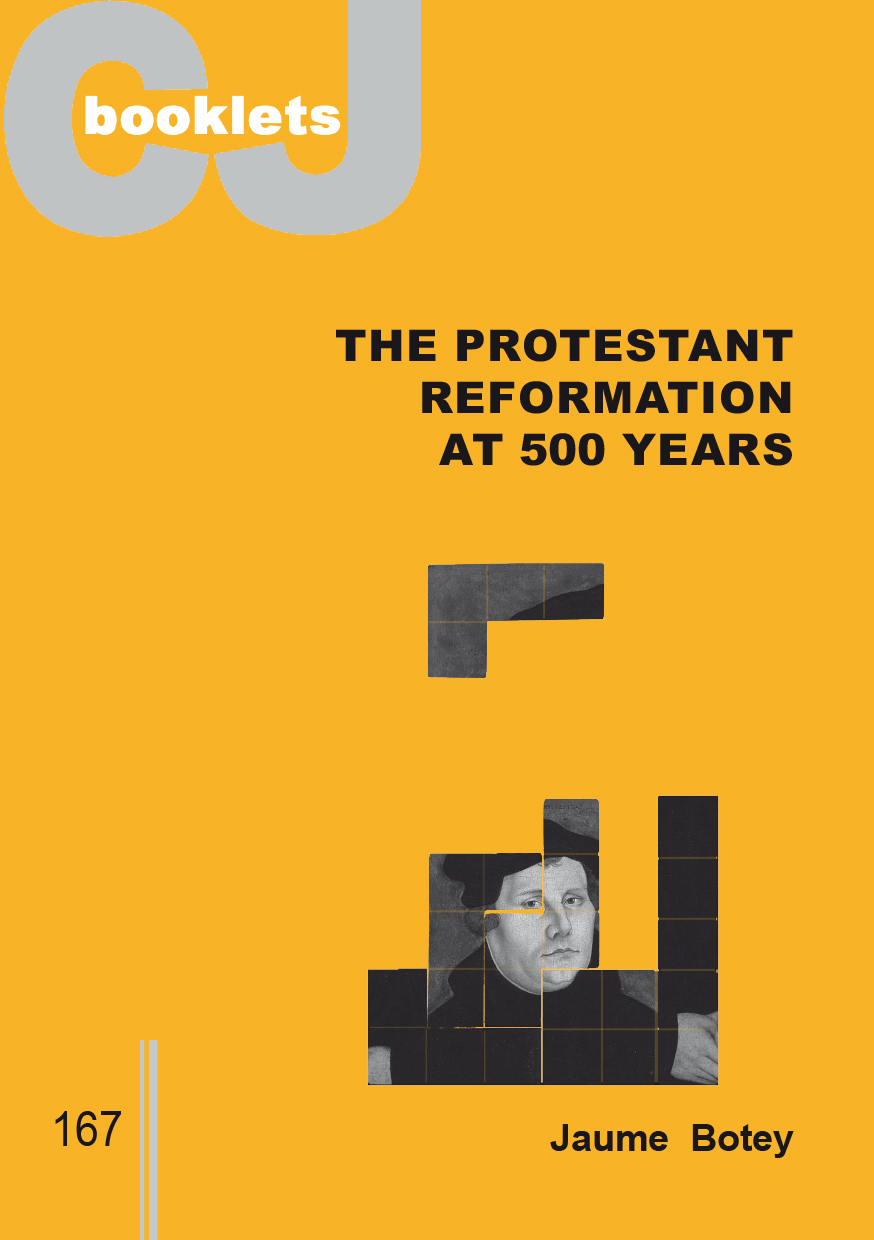
We cannot understand modern-day Europe without understanding the role played by Luther in the Reformation of the 16th century. That event went far beyond the religious realm and revealed the existence of two cultures, two models of social relations, two manners of understanding political power, and even two economic systems. Many of the topics debated during the Reformation and the early Renaissance period are still being debated in our contemporary European society, which is as perplexed and perplexing today as it was in those days.
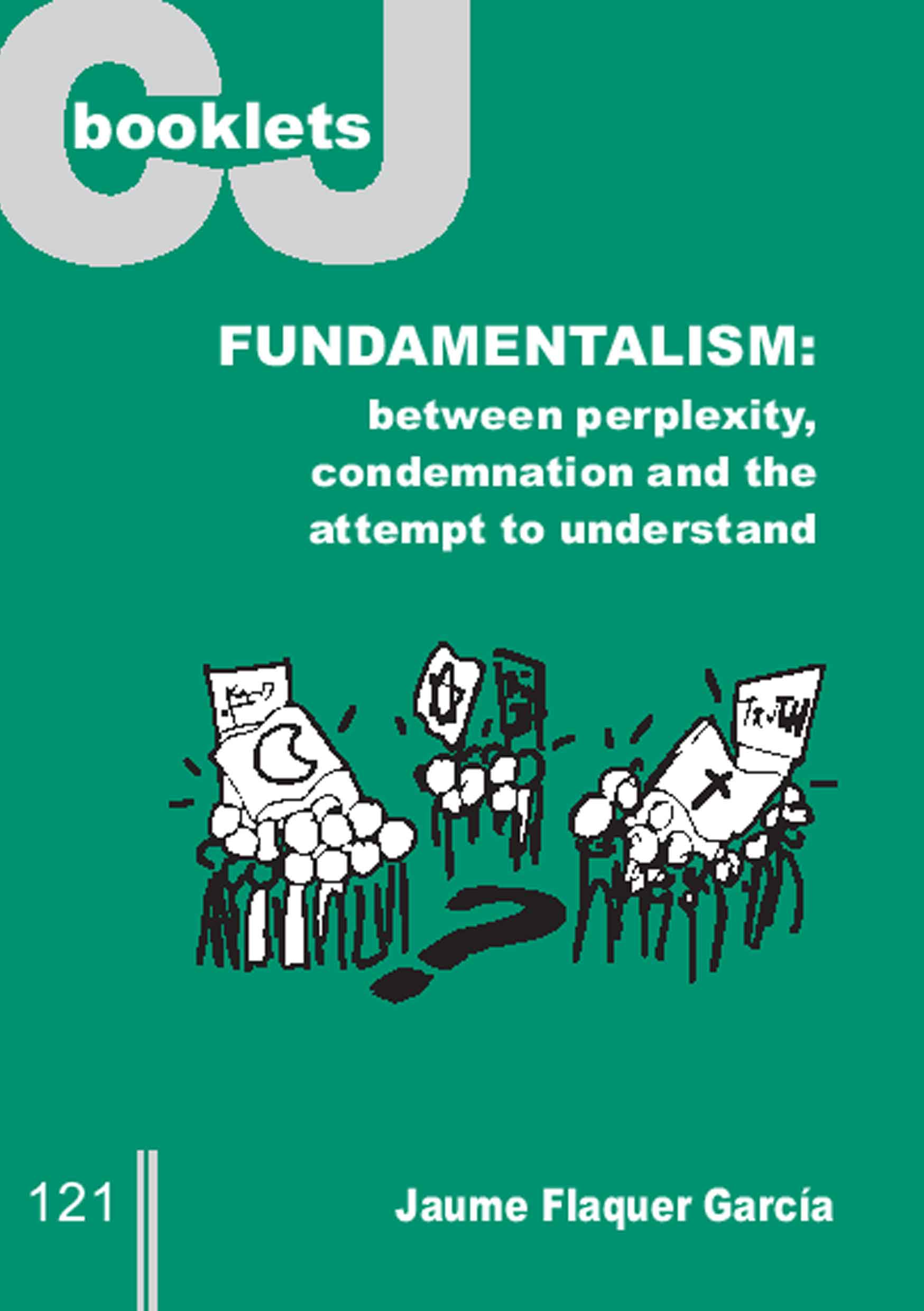
This booklet tries to give an overview of the fundamentalist, an reflexion of its causes and its relation with religions, and it finishes with the presentation of several “ways of hope”, that is, it proposes ways of solution and hope in face of radicalism.
Morning, 9h to 14h
(from monday to friday)
Afternoon, 16h to 19h
(tuesday and thursday)